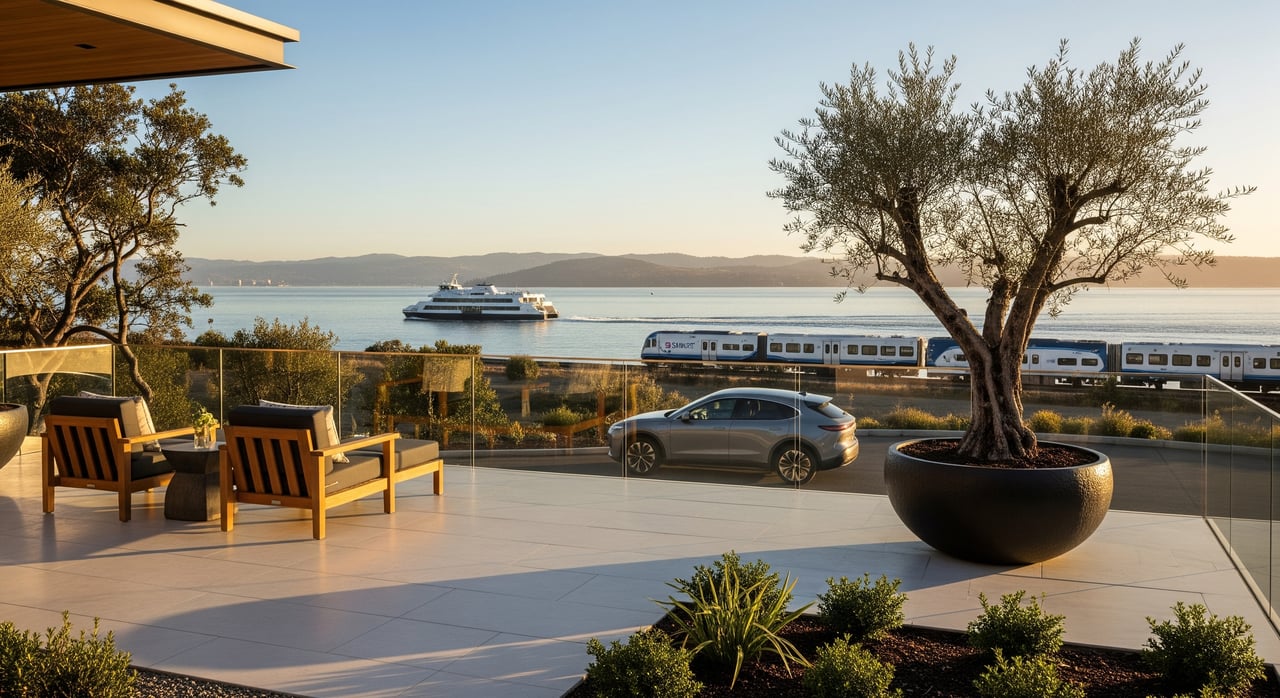
Novato Commute Guide to SF: SMART Rail, Ferry & Freeways
January 1, 2026
January 1, 2026
Wondering how your Novato commute will feel day to day? You have several solid options, and each one offers a different balance of cost, time, and predictability. Whether you are heading to San Rafael, downtown San Francisco, or points beyond, knowing how SMART rail, the ferry, and the freeways fit together will help you choose the routine that matches your lifestyle.
This guide walks you through the main routes from Novato, how to plan door to door, and practical tips to keep your trip smooth. You will also see where to check live traffic, schedules, and fares before you go. Let’s dive in.
Novato gives you a true mix of regional choices:
For context and trends, browse the region’s transportation planning and commute research on the Metropolitan Transportation Commission and the U.S. Census commute data tools.
SMART links Novato with central Marin and Sonoma, and it connects south to the Larkspur terminal for an easy ferry transfer to San Francisco. If you commute within Marin or to Sonoma County job centers, SMART can remove freeway uncertainty and give you a consistent schedule.
Check the latest station list, timetables, and service updates on the official SMART schedules and stations page.
Weekday peak trains typically offer more frequent service than mid-day and weekend spans. To plan a reliable morning connection, line up a southbound SMART arrival at Larkspur with a ferry departure a few minutes later. If your schedule is flexible, traveling just outside the busiest windows can make for a calmer ride and easier parking.
For door-to-door planning, combine SMART’s timetable with the regional trip planner at 511 Bay Area. It helps you compare time, transfers, and walk or bike segments in one view.
Fares and parking policies change, and some stations have peak-period demand. Before you head out, confirm current prices, payment options, and parking details on the SMART website. Many riders bring a bike or e-bike to cover the last mile. Review bike rules and station bike parking on SMART’s site so you know what to expect.
Tip: Save a backup option in your phone. If a connection slips, look up the next train or consider a bus or rideshare to bridge the gap.
Larkspur is the key ferry terminal for Novato commuters going to San Francisco’s waterfront. Service is designed around commute windows, with more sailings at the start and end of the typical workday.
Confirm current commute sailings, fares, and terminal amenities on the official ferry sites. Start with the ferry schedules and ticket information, and also check broader Bay Ferry resources at San Francisco Bay Ferry for regional context.
Fares, discounts, and payment options are updated over time. If you use transit often, compare single-ride pricing with available monthly or multi-ride products. For the most accurate details, use the operator pages above and your 511 trip plan to see total costs across train and ferry.
Ferry reliability is strong, though heavy weather or construction can occasionally affect service. Always confirm your sailing the night before a key meeting. If a cancellation occurs, your backup could be SMART plus bus, or a direct drive on US-101. Keep the 511 Bay Area trip planner handy to pivot fast.
US-101 is the backbone of Marin commuting. It takes you south to San Rafael and over the Golden Gate Bridge to San Francisco, and north toward Petaluma and Sonoma County. Peak congestion is directional, with heavier southbound traffic in the morning and heavier northbound traffic in the evening. Use Caltrans QuickMap for real-time traffic to check incidents and speeds before you leave.
If you drive into San Francisco, review current bridge tolls and payment options with the Golden Gate Bridge District.
SR-37 cuts east-west along Marin’s north edge. It is useful if your destination is in the North Bay or East Bay via I-80. Traffic can be sensitive to incidents and weather. Keep an eye on QuickMap and 511, and consider a flexible departure time if your schedule allows.
If you plan to park at a station or ferry terminal, confirm on-site rules and fees ahead of time. When you compare modes, factor in fuel, tolls, parking, and wear-and-tear. If your employer offers commuter benefits, that can change the math in favor of transit.
Local buses and regional routes help you reach SMART or the ferry without parking. Use Marin Transit for local connections, and check regional routes with the Golden Gate Transit resources to see options within Marin and into San Francisco.
First and last mile choices include walking, biking, e-biking, and rideshare. Many commuters mix and match throughout the week to handle weather, late meetings, or school pickups.
Use these simple lenses to pick your weekday go-to and a backup:
You can create a realistic estimate in a few minutes:
If you want broader context about commute habits and averages in the region, explore the MTC commute research and the U.S. Census commute data.
Commute options shape daily life. If you want a predictable arrival, living close to a SMART station or near an easy ferry access route can be a smart move. If you value after-school flexibility or varied work hours, quick freeway access may fit you better. Homes near US-101 and busy hubs often trade convenience for more traffic and noise, while quieter areas may add a few minutes to your first or last mile.
As you evaluate neighborhoods, weigh your most common destination, your work schedule, and whether you prefer train, ferry, car, or a mix. If you are selling, highlight convenient transit and freeway access in your listing materials. Buyers notice when the commute story is clear and realistic.
Roadway and transit projects can influence travel times and future reliability. Keep an eye on county updates for highway work, corridor improvements, and station access changes through the County of Marin transportation pages. Always verify schedules, fares, and parking on the operator sites, since policies evolve.
If you are weighing neighborhoods in Novato or planning a move within Marin, we can help you match homes with the commute that fits your day. Reach out to Christina & Karla to talk routes, neighborhoods, and timing. Request Your Free Home Valuation, or ask us for a quick commute comparison for your short list of homes.
Stay up to date on the latest real estate trends.


Christina & Karla | Home In Marin along with Compass Greenbrae are happy to sponsor the Marin Mahjong community by providing the Drakes Landing Community Room for Sund… Read more



From the beauty of Golden Gate Park in San Francisco to the redwoods of Marin County and the vineyards in Healdsburg, September is full of warm summer evenings and the… Read more
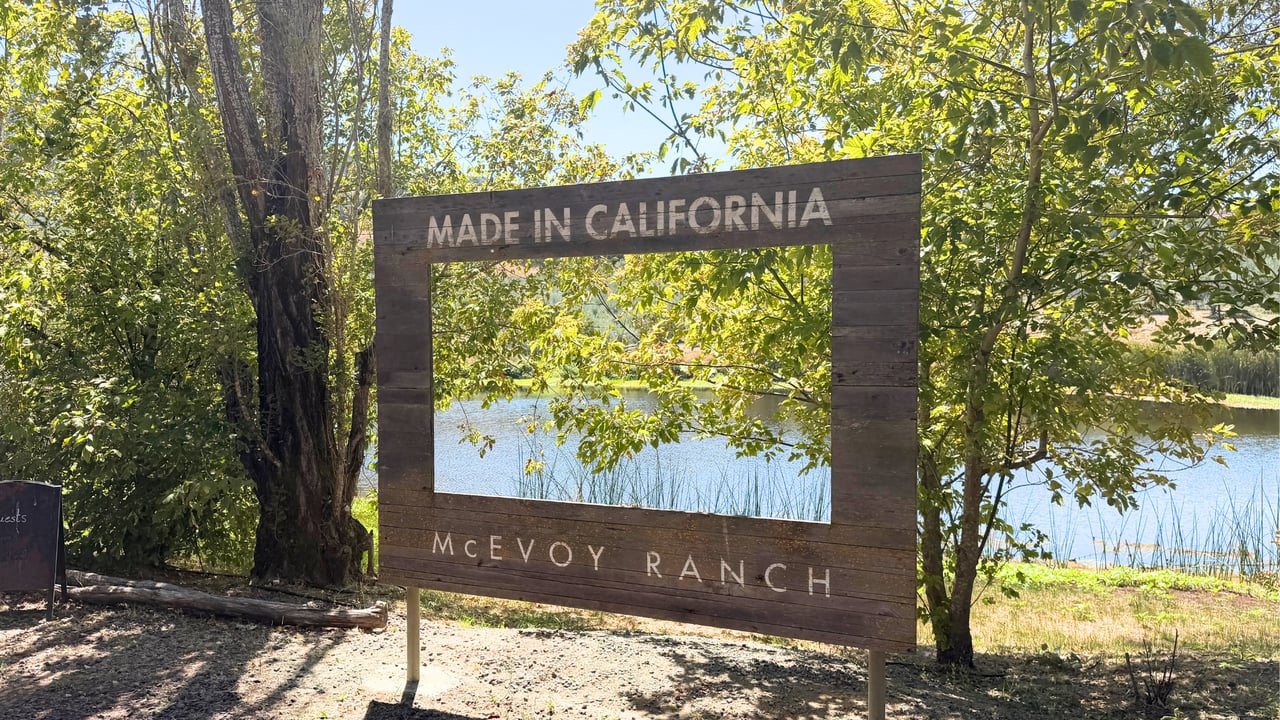
If you haven’t been to McEvoy Ranch in Sonoma County yet, this is your sign to go.


Christina and Karla have represented a broad range of properties and clientele which has given them a vast amount of industry knowledge and expertise, in turn providing tremendous results for those they represent. They are well-acquainted with the marketplace and easily able to gain knowledgeable insight on inventory for their buyers.