Love the warmth of a Craftsman porch or the clean lines of a mid-century home? In Fairfax, you see both styles around quiet valleys and wooded hills, each shaped by the land and the era it was built. If you are buying, selling, or planning updates, you want to know what features matter, what issues to watch, and how to protect value. This guide walks you through Fairfax’s most common home styles, key site factors, and smart upgrade ideas so you can move forward with confidence. Let’s dive in.
Styles you will see
Craftsman bungalow basics
Era: Early 1900s to 1930s.
- Exterior cues: Low-pitched gabled roofs, wide eaves with exposed rafter tails, a front porch with tapered columns on piers, and wood shingles or clapboard siding.
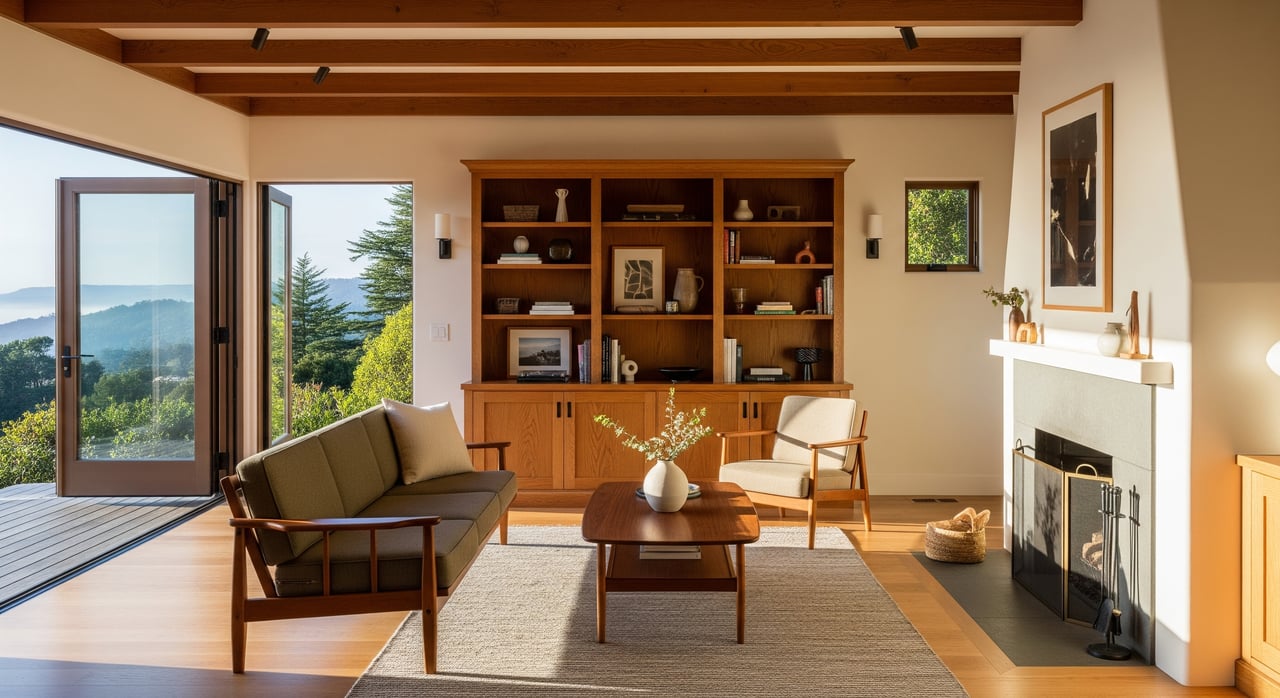
- Interior cues: Built-in bookcases or benches, original wood trim and floors, and a fireplace as a focal point. Floor plans are modest with efficient room flow.
- What to watch: Wood framing and redwood siding can show rot or termite damage, especially near porches and foundations. Many homes benefit from electrical upgrades, insulation, and sensitive kitchen and bath updates that keep original character.
Victorian and Queen Anne touches
Era: 1890s to 1910s.
- Exterior cues: Steep roofs, asymmetrical façades, bay windows, decorative trim, and sometimes wraparound porches.
- What to watch: Ornate trim is beautiful but can be costly to restore. Look for paint failure, carpentry issues, and deferred maintenance.
Mid-century modern highlights
Era: 1940s to 1960s.
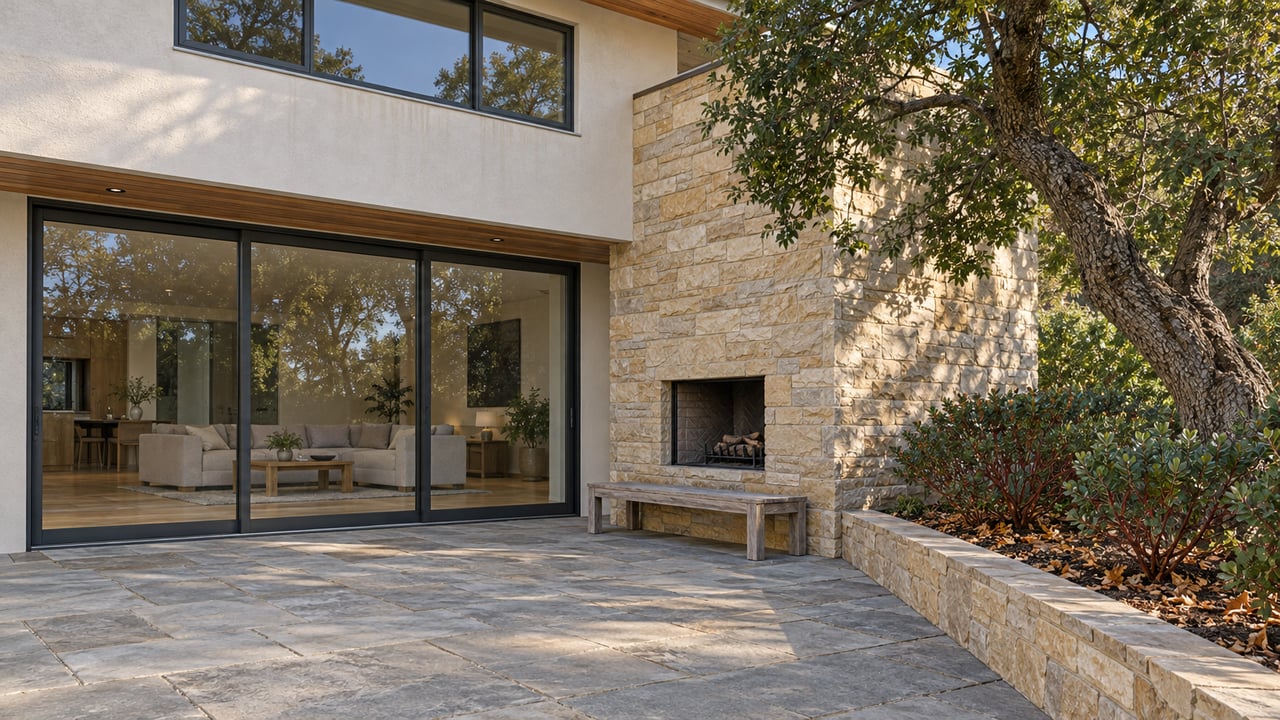
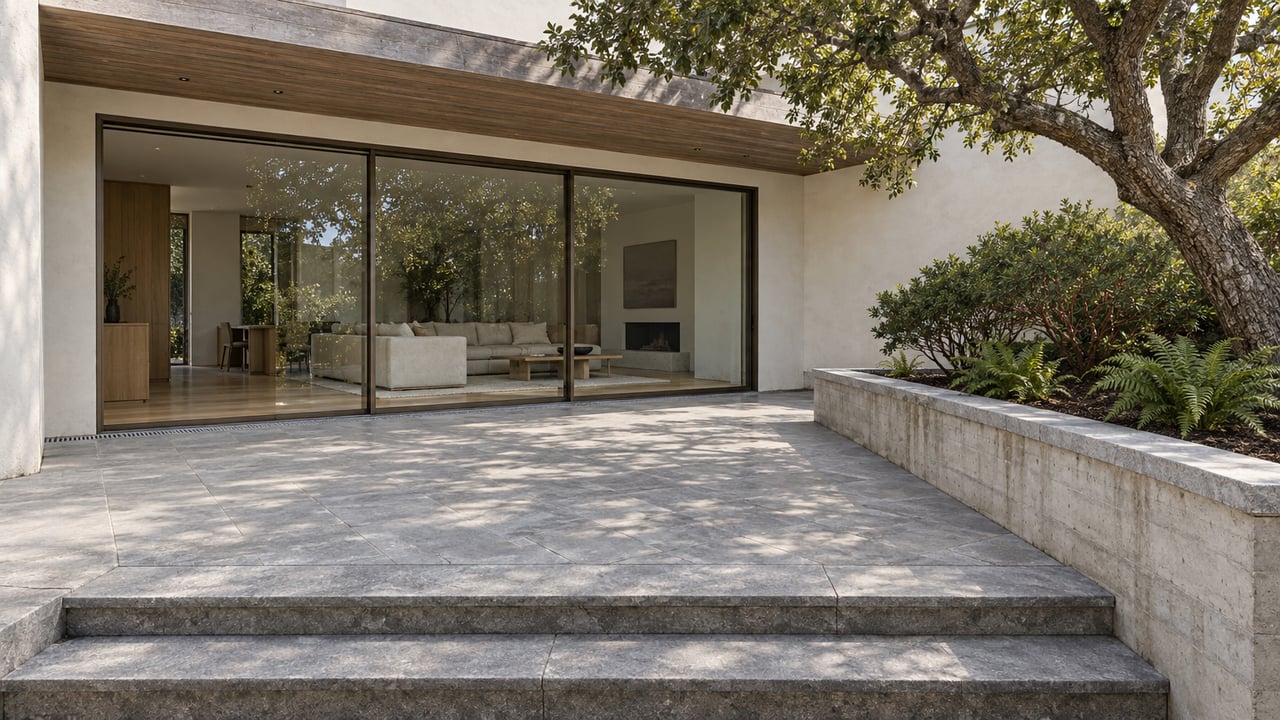
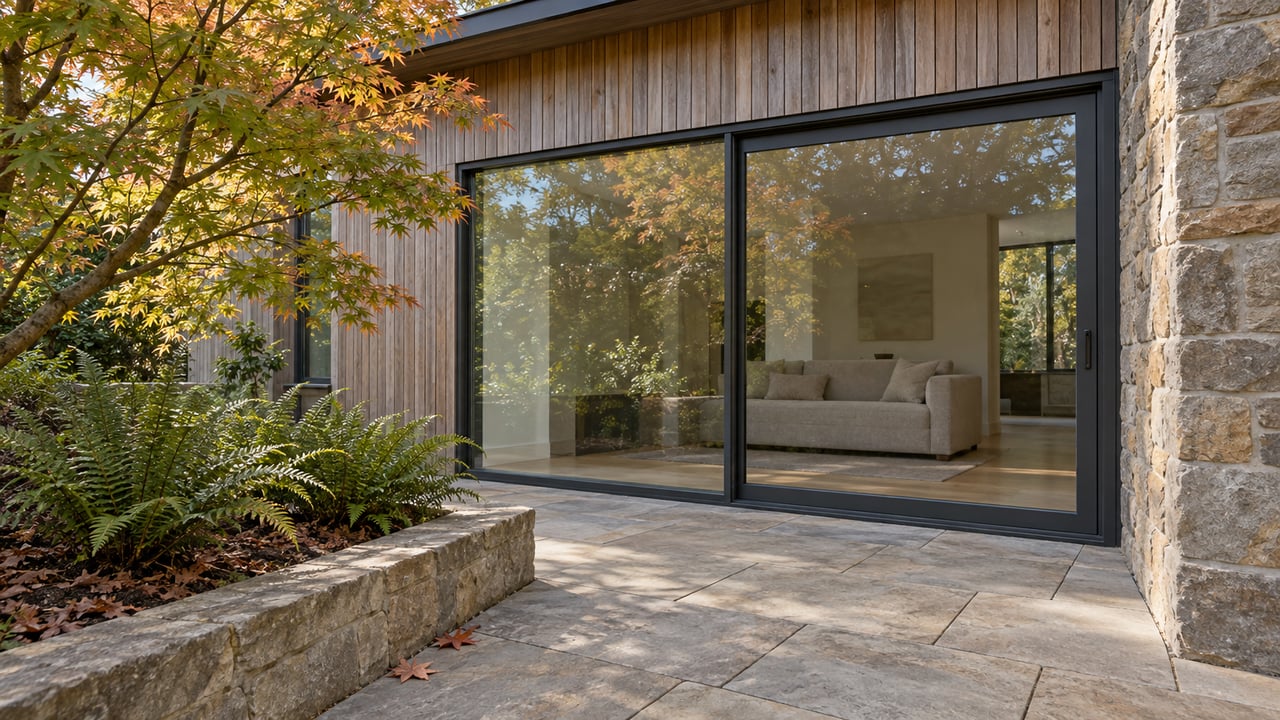
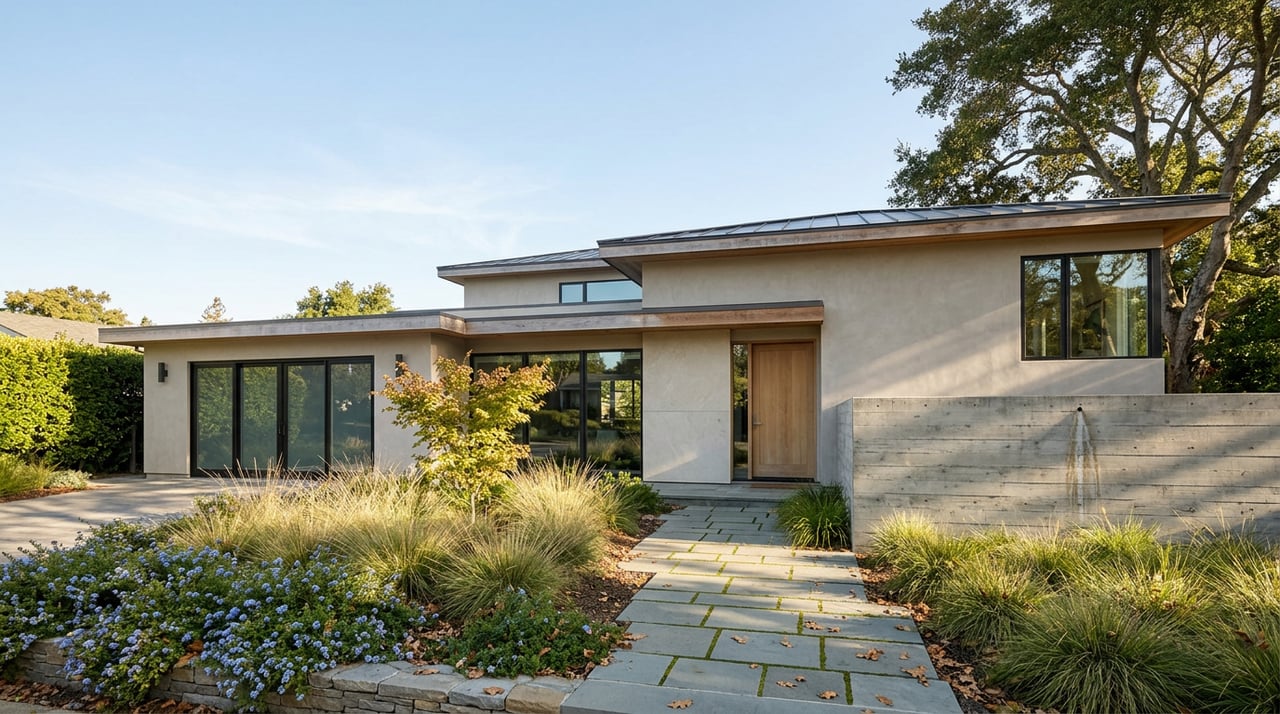
- Exterior cues: Low-pitched or flat roofs, strong horizontal lines, large picture windows or sliding glass doors, and integration with patios and decks.
- Interior cues: Open plans, exposed post-and-beam details, and an easy indoor-outdoor flow.
- What to watch: Original single-pane glass and minimal insulation can affect comfort. Flat or low-slope roofs and exposed structural details need proper maintenance. Hillside sites may require seismic and foundation work. Regional design enthusiasm grew in this era, influenced by notable Marin examples such as the county’s modern civic architecture.
Post-war ranch and transitional
Era: 1950s to 1970s.
- Exterior cues: Single-story, wider footprints, attached garages, and simple detailing.
- What to watch: Many have been expanded over time. Check how additions tied into roofs and foundations.
Contemporary hillside homes
Era: 1980s to today.
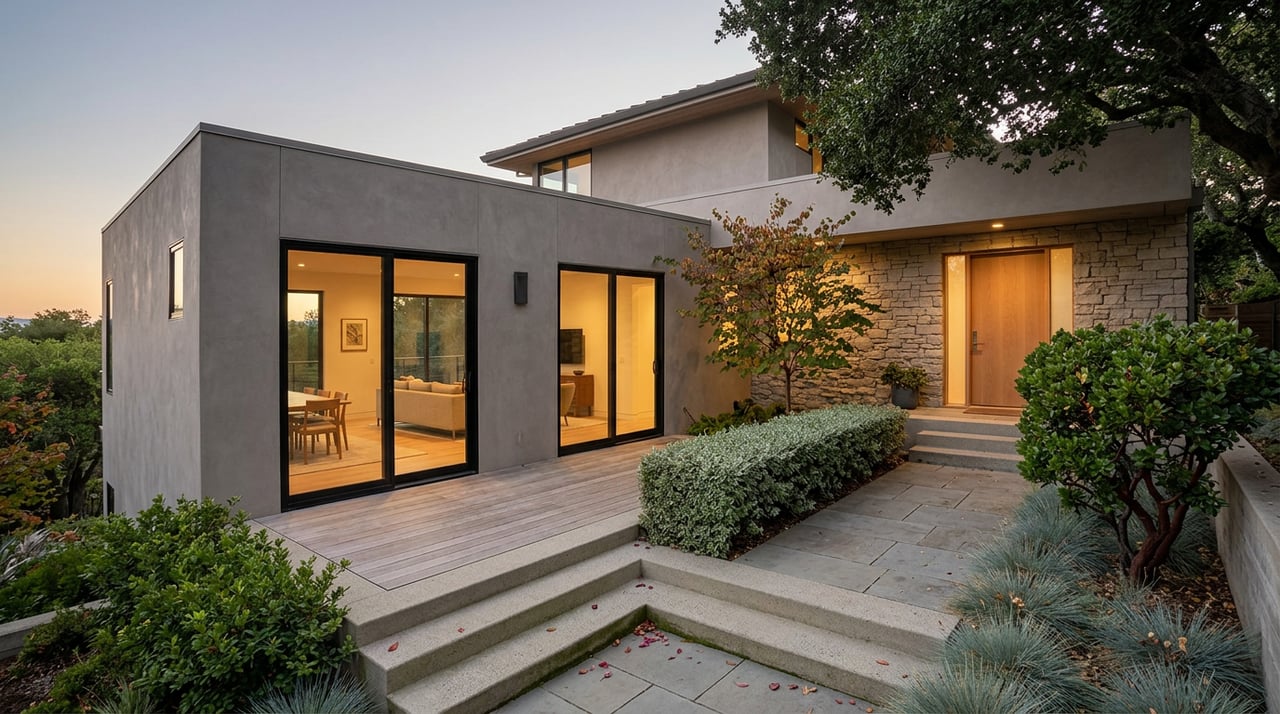
- Exterior cues: Varied modern and shingle-style looks with wood and glass, multi-level plans, and decks that capture views.
- What to watch: Engineered foundations, drainage, and permitting are more complex on slopes. Newer systems are a plus, but ongoing site maintenance still matters.
ADUs on Fairfax lots
- Context: California law supports Accessory Dwelling Units across many lots. In Fairfax, detached or attached ADUs are common on suitable sites.
- What to watch: Plan review and permits are required. Check local standards on setbacks, size, utilities, and site constraints before you draw plans.
Site and setting in Fairfax
Topography and lot types
- Valley lots near town: Easier access and simpler foundations. Smaller lots may trade yard size for convenience.
- Moderate hillside lots: Stepped foundations with decks and terraces. Expect drainage planning and periodic retaining wall care.
- Steeper forested parcels: Privacy and views, with engineered foundations and higher permitting complexity. Maintenance often includes retaining walls and slope stability.
Vegetation, wildfire, and stormwater
- Vegetation: Wooded settings require defensible-space maintenance that shapes landscaping choices. Fuel reduction can influence curb appeal and upkeep.
- Creekside properties: Floodplain rules, riparian setbacks, and vegetation guidelines may apply. Drainage upgrades are a common retrofit.
Streetscapes and access
- Roads and parking: Narrow, winding roads can affect contractor access and delivery timelines. Older homes may have limited off-street parking or steep driveways.
Buyer and renovation tips
Inspection priorities by style
- Craftsman/Bungalow: Look for dry rot, termite activity, porch foundation settlement, knob-and-tube wiring in very old homes, and minimal insulation.
- Mid-century/Ranch: Review roof drainage and membrane condition on low-slope roofs, window performance, aging HVAC, and potential asbestos in older finishes.
- Hillside/Custom: Confirm geotechnical stability, retaining wall condition, site drainage, and tree root impacts.
- All older homes: Ask about lead paint, asbestos-containing materials, and plumbing types.
Seismic safety checklist
- Verify foundation bolting and cripple wall bracing where applicable.
- Inspect masonry chimneys and fireplace structures for reinforcement needs.
- For hillside homes, review anchorage, piers, and any prior seismic reports.
Energy and comfort upgrades
- Add insulation in the attic and walls where feasible.
- Upgrade older windows or consider high-performance glazing solutions.
- Modernize HVAC with efficient systems, including heat pumps where practical.
- Consider solar if roof orientation and site allow.
- For mid-century homes, combine upgraded glazing with shading to preserve open views and comfort.
Remodel with character in mind
- Craftsman: Preserve built-ins, wood trim, and porch details. Plan kitchen and bath updates that match scale and materials.
- Mid-century: Keep open plans, exposed beams, and clerestory windows. Use simple, honest materials to align with the original design.
- Thoughtful updates often bring stronger buyer interest than full stylistic overhauls.
Permits and process in Fairfax
- Contact the Town of Fairfax Planning and Building for project thresholds, design review, tree protection rules, and grading or erosion control requirements.
- For unincorporated or specialized permits, consult Marin County’s permit department.
- ADUs require plan review. Confirm setbacks, size limits, and utility connections early.
Value and market notes
- What buyers value: Many buyers seek authentic Craftsman details, while others prioritize mid-century light and indoor-outdoor flow. Marketing should showcase the distinctive strengths of each style.
- Smart ROI: Targeted improvements like seismic upgrades, energy updates, and well-designed kitchens and baths typically boost appeal. Removing character-defining features can limit demand among style-sensitive buyers.
- Lot matters: Views, privacy, slope, and proximity to parks and town conveniences often influence value more than style alone.
- ADUs: Permitted ADUs add flexibility and potential income. Value impact depends on quality, permits, and local rental dynamics.
Quick style ID checklist
- Craftsman bungalow: Low gable roof, wide eaves, porch with tapered columns, exposed rafters, built-ins inside.
- Victorian influence: Steep roof, asymmetrical façade, decorative trim, bay windows.
- Mid-century modern: Low or flat roof, large glass, open plan, post-and-beam, patio or deck connection.
- Ranch: Single story, wide layout, attached garage, modest detailing.
- Contemporary hillside: Multi-level, decks and cantilevers, wood-and-glass façades, engineered foundations.
Next steps in Fairfax
Whether you are drawn to the craftsmanship of a 1920s bungalow or the clean lines of a mid-century gem, the best plan balances character, comfort, and safety. Pair careful inspections with smart upgrades that fit the site and style. If you are selling, highlight the features that make your home distinctive and invest in targeted improvements that speak to today’s buyers.
If you want hands-on guidance, vendor coordination, and polished marketing, reach out to Christina & Karla. Their local expertise, Compass tools, and project management can help you buy with clarity or sell with confidence.
FAQs
Which home styles are most common in Fairfax?
- You will most often see Craftsman bungalows and post-war mid-century or ranch homes, plus a mix of Victorian-era survivors and newer hillside builds.
How can I spot an original Craftsman in Fairfax?
- Look for exposed rafter tails, a porch with tapered columns, built-in cabinets or benches, and intact wood trim and floors.
Are Fairfax mid-century homes energy efficient?
- Original single-pane glass and minimal insulation can underperform, but upgrades to glazing, insulation, and HVAC can significantly improve comfort.
Do I need a permit to add an ADU in Fairfax?
- Yes, ADUs require plan review and permits, including standards for setbacks, size, and utility connections through local planning departments.
What should I check on a hillside home in Fairfax?
- Review geotechnical stability, retaining walls, drainage, tree impacts, and the condition of engineered foundations.
What maintenance issues affect wood-sided homes in Fairfax?
- Watch for rot at sills and porch posts, paint failure, and water intrusion at the siding-to-foundation connection; regular painting and flashing care help.