What It’s Like To Live On The Sausalito Waterfront
February 12, 2026
February 12, 2026
Salt air on your morning walk, gulls overhead, and the distant hum of a ferry easing into the dock. If you have pictured yourself living right on the water, Sausalito’s waterfront makes that feeling real. You get sweeping bay views, a small-town main street, and a true marina culture that shapes daily routines. In this guide, you’ll learn how life flows on the waterfront, from housing options and commute choices to recreation, costs, and tradeoffs. Let’s dive in.
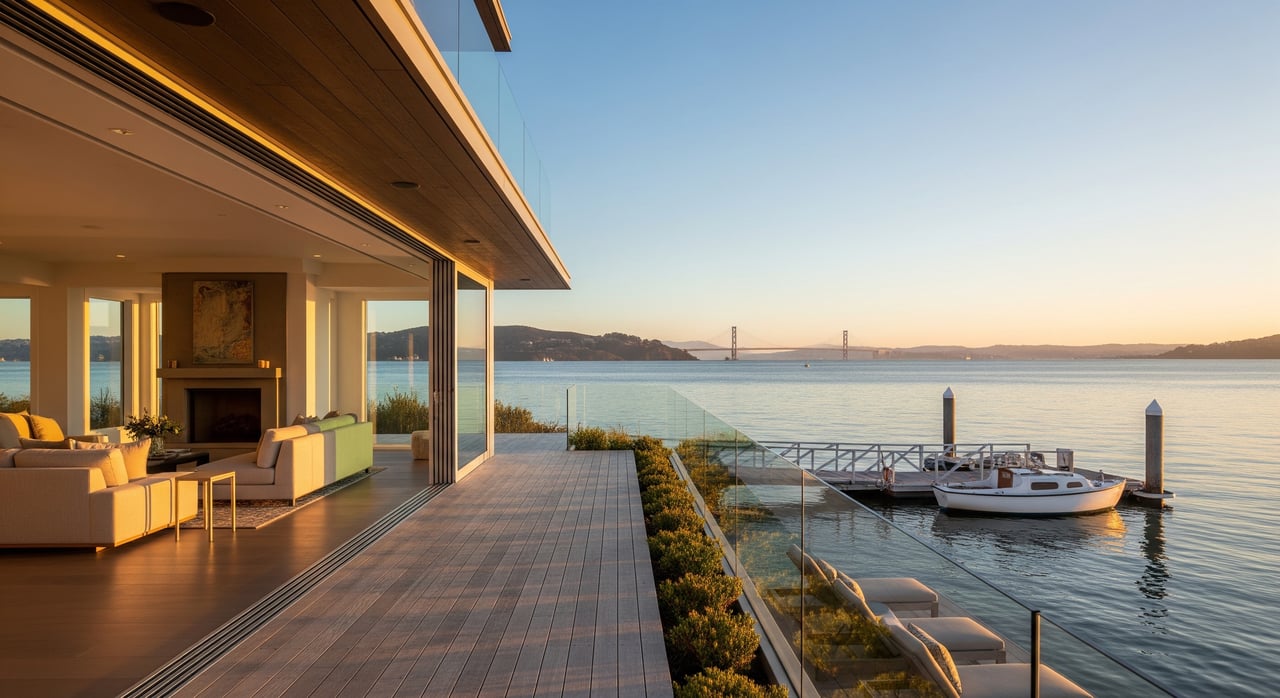
The Sausalito waterfront lines Richardson Bay at the north end of the Golden Gate Bridge. Along Bridgeway, you find a pedestrian-friendly stretch of cafes, galleries, and seafood spots with views of San Francisco and the harbor. The scene is lively on weekends and in warm months when day visitors arrive, while weekdays feel more local.
Step a block or two off the main drag and you transition to marinas, docks, and neighborhoods tucked into the hills. The rhythm here is maritime: lines clinking against masts, kayakers at dawn, and sunsets framed by the skyline. It is both a residential neighborhood and a regional destination.
Waterfront living here comes in distinct forms. Each offers a different balance of access, privacy, and upkeep.
Floating homes are permanently moored residences connected to docks rather than hulls meant for cruising. You live at water level with direct access for kayaks and small craft, and you wake to the sounds and sights of the bay. The community is close-knit, and some docks are more pedestrian than car oriented, so parking can be limited.
Ownership and logistics differ from land-based homes. Many floating homes sit on leased slips or long-term dock agreements. Utilities, sewage, and stormwater connections are handled through marina systems, and insurance often follows marine or specialty policies. If you love being on the water, it is hard to match the feel, but you should be ready for unique maintenance and governance.
Near the marinas and piers, you will find condos and townhomes, including some converted from older marine or industrial buildings. These homes range from compact pieds-à-terre to larger luxury flats. You are close to shopping and dining along Bridgeway, and many residents walk or bike to the ferry.
Expect homeowners association rules and shared maintenance fees that may include waterfront upkeep. Low-lying locations can raise questions about flood risk and insurance. In exchange, the lifestyle keeps you steps from the harbor and daily conveniences.
Climbing the hills behind the shoreline, single-family homes angle for views of the bay and San Francisco. Life here is quieter than the waterfront core. You trade dockside buzz for privacy and panoramic outlooks. The terrain is steep, so walking down to the shoreline is a workout, but short drives to Bridgeway make errands simple.
These properties often carry a premium for space and outlook. Stairs, slopes, and narrow streets can shape access and daily routines.
South of downtown, the former shipyard area blends light industrial uses, creative studios, galleries, and some residential conversions. It feels like a working waterfront with an arts edge. If you like an eclectic, less touristy vibe, this may appeal.
Bridgeway is the most walkable area. You can stroll the promenade, pop into cafes, browse boutiques, and linger over seafood with a view. Street life is strongest on weekends and during summer, which brings more visitors. Weekday mornings are calmer and feel very local.
Parking downtown is limited, and tourist traffic can make quick errands harder at peak times. Many residents plan shopping and dining for off-peak hours or go by foot or bike.
Small markets and specialty shops dot the waterfront. For bigger supermarket runs, many residents drive a short distance to nearby Marin towns such as Mill Valley or Corte Madera. Pharmacies, dentists, and small medical practices are available locally. For hospitals and specialty care, you will likely visit larger Marin centers such as San Rafael or cross the bridge into San Francisco.
The Golden Gate Ferry connects Sausalito to San Francisco’s Ferry Building and other terminals. It is a dependable, car-free option during peak hours and a defining part of the local commute culture. Schedules vary by weekday and season, so riders plan around timetables and capacity.
Many commuters walk or bike to the terminal. Parking near ferry landings can be limited, which encourages a low-car routine for downtown residents.
By car, you reach San Francisco via US 101 over the Golden Gate Bridge. Travel times swing with rush-hour conditions and toll patterns. For local errands in Sausalito, drives are short, but parking tightens near Bridgeway when tourism spikes.
Biking is popular. Scenic routes make it rewarding, though hills can be a factor. E-bikes expand access for everyday trips. Marin Transit runs local bus lines that link Sausalito with neighboring Marin communities, offering an alternative to driving for regional trips.
Multiple marinas, public docks, and private slips support a full range of boating. Slip availability and costs can be constrained, so plan ahead if you need long-term mooring. Guest slips, boater services, and put-ins for small craft make it easy to get on the water.
On a typical weekend, you see sailboats catching afternoon wind, paddleboarders cruising coves, and kayakers exploring shoreline inlets. Birdlife in Richardson Bay draws photographers and birdwatchers year-round.
Living here puts you near the Marin Headlands, Mount Tamalpais, and the Golden Gate National Recreation Area. You can watch the fog burn off the bay and then be on a trail within minutes. Many residents split weekends between water time and hikes on nearby ridgelines.
Marina communities and boating clubs host social gatherings, regattas, and seasonal waterfront events. Floating-home neighborhoods often have active associations that look after dock life and organize gatherings, reinforcing a strong sense of place.
Waterfront property in Sausalito sits among Marin County’s higher-priced segments, and inventory is often tight. Views, harbor access, and proximity to San Francisco command premiums. Before you get serious, line up a plan for due diligence.
Buyer checklist to stay ahead:
Shoreline properties can face flood and storm risk, which affects both availability and cost of insurance. Floating homes and some marina-adjacent units may use policies that differ from standard homeowner coverage. It is important to understand underwriting limits for high-exposure coastal zones and how deductibles and exclusions work.
Floating-home ownership can involve leased slips or long-term dock agreements plus association dues. Condos and townhomes carry monthly HOA fees that may include dock management or shared structure insurance. Property taxes follow Marin County assessor rules, and floating structures may be assessed differently than land-based real estate. Ask for the latest statements and policies to understand your total monthly outlay.
Any permanent change to docks, moorings, or shoreline structures typically goes through City of Sausalito review, and certain projects may involve state or regional coastal authorities. Plan extra time for approvals, and confirm there are no pending shoreline improvements that could affect access or views.
Along Bridgeway, weekends and summer bring more foot traffic and parking competition. Boating activity adds a constant, gentle maritime soundtrack. If you want quieter evenings, hillside streets are more serene than the commercial core.
Salt air gives you that bayside feel but increases wear on metal, paint, and exterior fittings. Build routine upkeep into your budget. On the water, you will also track dock hardware, floats, and seals more closely than you would on land.
If you value walkability, views, and easy access to both water and trails, the Sausalito waterfront is a rare match. If you prefer large garages, wide streets, and suburban shopping centers, you may find inland Marin more convenient. Knowing your day-to-day priorities helps you choose between floating homes, marina condos, and hillside houses.
Start by mapping your routine. Do you picture morning paddles, short walks to the ferry, or quiet hillside sunsets? From there, tour a mix of floating homes, marina condos, and hillside properties to feel the tradeoffs firsthand. Ask detailed questions about insurance, flood exposure, dock or HOA fees, and any upcoming shoreline projects.
When you are ready to compare options, work with local experts who understand Marin’s micro-markets and the details that protect long-term value. If you are considering selling, strategic prep and presentation can also make a major difference on the waterfront.
Ready to explore Sausalito’s waterfront homes or discuss a sale? Connect with Christina & Karla for local guidance tailored to your goals.
Stay up to date on the latest real estate trends.

Fall is here and October is full of celebrations and events to welcome the season. From San Francisco to Sonoma County, here’s what’s happening this month. San Franci… Read more

Christina & Karla | Home In Marin along with Compass Greenbrae are happy to sponsor the Marin Mahjong community by providing the Drakes Landing Community Room for Sund… Read more
Christina and Karla have represented a broad range of properties and clientele which has given them a vast amount of industry knowledge and expertise, in turn providing tremendous results for those they represent. They are well-acquainted with the marketplace and easily able to gain knowledgeable insight on inventory for their buyers.