Petaluma Historic Downtown Homes: A Buyer’s Guide
May 28, 2026
May 28, 2026
Looking for a North Bay downtown that feels lived-in, walkable, and full of character? Petaluma stands out because its historic core is not just a pretty backdrop. It is a place where riverfront paths, old homes, local restaurants, and everyday errands can all shape how you spend your week.
If you are a Marin buyer, a relocator, or someone dreaming about a second-home lifestyle with more history and a little more breathing room, downtown Petaluma deserves a closer look. Below, you will get a practical feel for the homes, the architecture, and the hangouts that make this part of Petaluma so appealing. Let’s dive in.
Downtown Petaluma has real historic depth. The Petaluma Historic Commercial District covers much of the downtown core, includes 96 contributing buildings across about 23 acres, and has been listed on the National Register of Historic Places since 1995. Its period of significance runs from 1854 to 1945, which helps explain why a walk here can feel layered and visually rich.
Petaluma itself is one of California’s oldest cities, chartered in 1858. Its location along the river and rail line helped it grow as a shipping hub, and by 1880 it was the state’s largest shipping point for dairy products. Much of downtown also survived the 1906 earthquake, which is one reason so much historic architecture remains part of the city’s daily life.
That history is easy to see when you are walking around. The city highlights styles like Late Victorian, Italianate, and Streamline Moderne in the commercial core, while visitor materials note that Petaluma is known for some of the best iron-front architecture in the United States. For buyers who want a place with a real sense of continuity, downtown Petaluma offers more than charm alone.
One of the biggest draws here is how many experiences fit into a compact area. Official visitor guides describe downtown as a mix of bakeries, pizzerias, brewpubs, seafood restaurants, steak houses, and international dining set alongside river views and mid-nineteenth-century architecture. In other words, your Saturday does not need much planning.
Current visitor materials highlight well-known stops like Luma Bar & Eatery on the riverfront, Della Fattoria, Cucina Paradiso, and Wild Goat Bistro. The downtown association also points to casual coffee and gathering spots such as Petaluma Coffee & Tea Co., Aqus Cafe, and Brewsters Beer Garden. If you are picturing a lifestyle where coffee, dinner, and a stroll all happen without much driving, Petaluma makes that feel realistic.
Getting around can also be easier than you might expect. The downtown association promotes LumaGo, a free on-demand shuttle that helps visitors move between restaurants and shops. That small detail supports the bigger picture: downtown Petaluma is set up for a more pedestrian, event-centered routine.
The river is part of daily life here, not just scenery off in the distance. Petaluma River Park sits at Copeland and D Streets in the heart of downtown and is open daily from dawn to dusk. It includes an all-access trail, giving residents and visitors an easy way to slow down and take in the waterfront.
Steamer Landing Park adds another layer to the riverfront experience. The city describes it as one of Petaluma’s hidden gems and notes that it hosts summertime events and the David Yearsley River Heritage Center. For buyers comparing North Bay downtowns, that kind of active riverfront can make a real difference in how a place feels day to day.
The River Trail is also meant to let pedestrians enjoy the river from end to end, even though it is not fully complete. Historically, the river moved freight. Today, it is more likely to attract kayakers, paddleboarders, bird watchers, boaters, and people who simply want to spend time outside near the water.
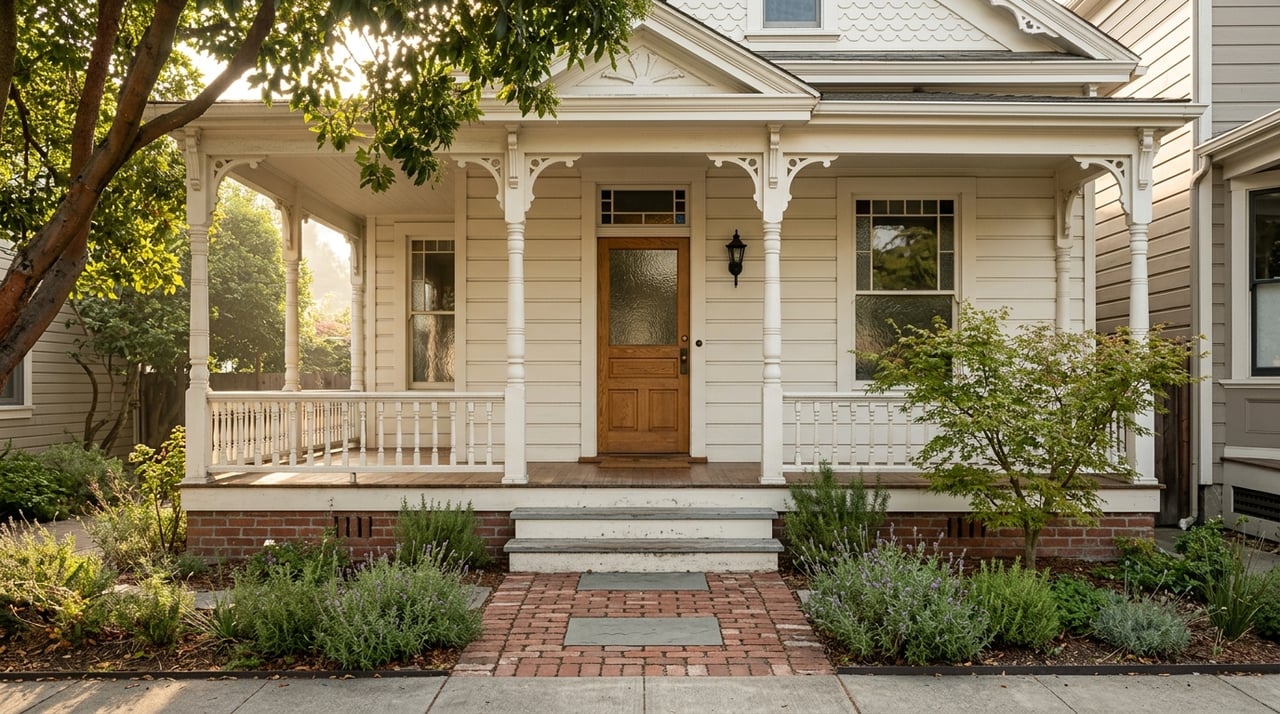
If the commercial core gives downtown Petaluma its energy, the nearby residential streets give it texture. The area around downtown is closely tied to architect Brainerd Jones, whom Visit Petaluma describes as “the man who built Petaluma.” He designed everything from Victorian homes to Arts & Crafts bungalows, which helps explain the range you may notice from one block to the next.
Visitor materials identify downtown-bordering streets with homes dating from 1860 to 1925. Styles include Spanish Revival, Queen Anne, Colonial Revival, and Victorian Stick. For buyers who love older homes, that means there is real variety rather than one repeated look.
Two nearby historic districts are especially useful to know. Oakhill-Brewster, north and west of downtown, is one of Petaluma’s earliest residential neighborhoods and includes styles from the 1850s through the 1980s. The A Street Historic District, south and east of downtown, contains residences, offices, churches, and apartments that are mostly pre-1925 and represent a broad cross-section of architectural history from 1860 to 1925.
Historic homes in Petaluma are often easiest to appreciate when you know what details to watch for. The city’s A Street walking guide points to styles such as High Victorian Gothic, Gothic Revival, Victorian Stick, Spanish Colonial, Queen Anne, and Greek Revival. That is a wide architectural mix for a relatively compact area.
On a typical walk, you may notice towers, bay windows, asymmetrical massing, and ornate gables. Those details give many blocks a strong visual identity and make even short walks feel interesting. For buyers coming from neighborhoods with more uniform housing stock, Petaluma can feel especially expressive.
Oakhill-Brewster is also described by the city as a district of elaborate homes, mansions, and more modest homes, with strong continuity of period, form, and scale. That balance matters. It suggests a neighborhood pattern that feels cohesive even when house sizes and decorative details vary.
If you are considering a vintage property near downtown, it helps to understand that preservation rules can shape what comes next. The city says the Historic Commercial District’s design guidelines help owners plan alterations in ways that fit the historic setting. The downtown overlay FAQ also says new development in historic areas is meant to complement the surrounding fabric.
In practical terms, visible exterior changes on a historic home or commercial building are more likely to be reviewed against district standards. That does not mean historic ownership is a bad fit. It simply means you will want clear guidance before planning major exterior updates.
This is where local, detail-oriented representation matters. If you are balancing charm, condition, budget, and long-term plans, having a team that can help you evaluate the process can save time and reduce surprises.
For many Marin buyers, Petaluma offers a different pace without giving up activity. Based on the city’s trail network, riverfront parks, restaurant concentration, and downtown emphasis on walkability and shuttle access, the lifestyle here can lean more pedestrian and event-centered. That can be especially appealing if you want more of your routine to happen close to home.
It also works well for buyers who value built-in character. Instead of creating atmosphere from scratch, downtown Petaluma already has it. Historic storefronts, older homes, river views, and established gathering spots all contribute to a place that feels complete.
For second-home shoppers or buyers drawn to wine-country living, the appeal broadens further. Visitor materials highlight downtown tasting rooms, Petaluma Gap AVA wines, and farm-to-table restaurants, while annual events like the Art & Garden Festival and Antique Faire keep the historic core active beyond weekday hours.
If you are serious about getting to know the area, spend time on foot. The Petaluma Historical Library & Museum offers docent-led Historic Downtown Walking Tours on most Saturdays from May through October. Its History Spots project also covers more than 20 downtown locations, which can help you connect the streetscape to the city’s larger story.
A simple self-guided plan can tell you a lot. Start with coffee downtown, walk the commercial district, head toward the riverfront, and then spend time on nearby residential streets like those around A Street or Oakhill-Brewster. You will learn quickly whether you are drawn more to the hangouts, the architecture, or the idea of living close to both.
If you are comparing Petaluma with Marin or other North Bay options, that firsthand visit matters. It helps you move past broad impressions and focus on what your day-to-day life could actually feel like there.
If you are thinking about a move within the North Bay or want help weighing Petaluma against Marin communities, Christina & Karla can help you sort through the lifestyle, housing stock, and buying strategy with clear, local guidance.
Stay up to date on the latest real estate trends.

Fall is here and October is full of celebrations and events to welcome the season. From San Francisco to Sonoma County, here’s what’s happening this month. San Franci… Read more

Christina & Karla | Home In Marin along with Compass Greenbrae are happy to sponsor the Marin Mahjong community by providing the Drakes Landing Community Room for Sund… Read more
Christina and Karla have represented a broad range of properties and clientele which has given them a vast amount of industry knowledge and expertise, in turn providing tremendous results for those they represent. They are well-acquainted with the marketplace and easily able to gain knowledgeable insight on inventory for their buyers.