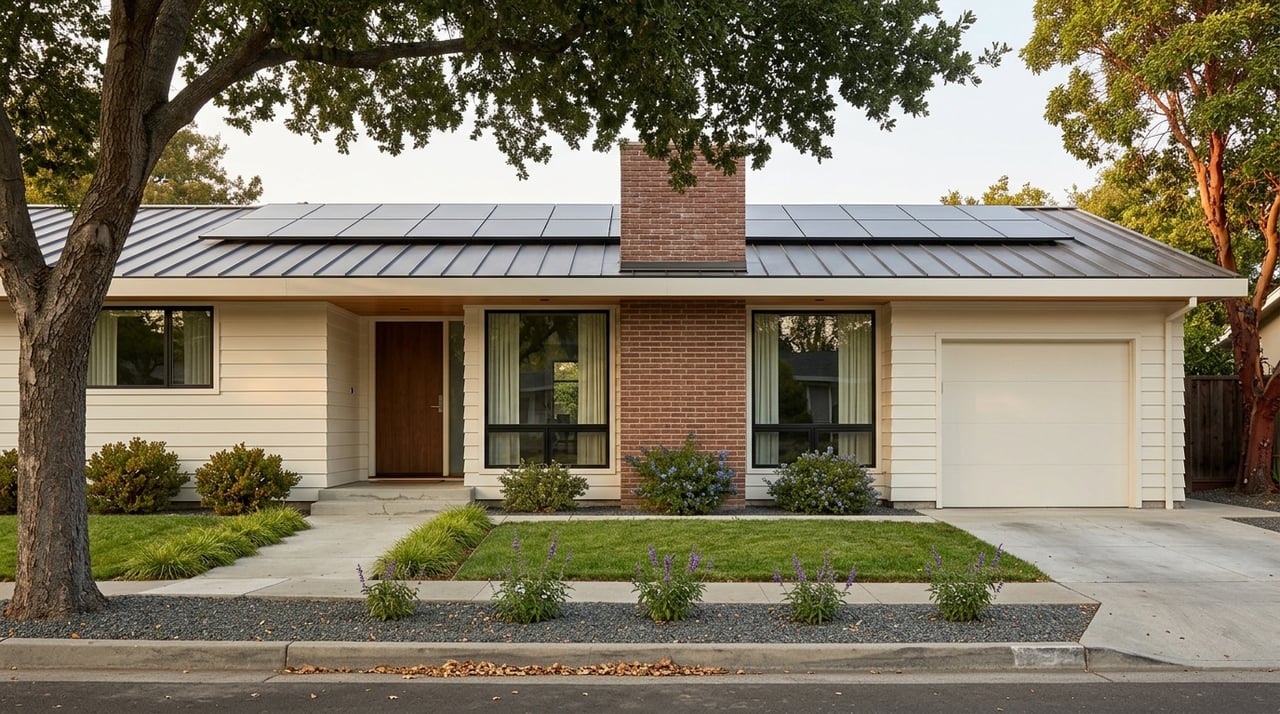
Novato Newer Construction vs Classic Ranch Homes
June 18, 2026
June 18, 2026
Wondering whether a newer home or a classic ranch is the better fit in Novato? You are not alone. In a market where condition, layout, and long-term costs can shape both your daily life and your resale value, this is one of the most important comparisons you can make. This guide will help you understand how newer construction and classic ranch homes differ in Novato, what tradeoffs matter most, and how to decide which option fits your goals. Let’s dive in.
Novato is not a market made up mostly of brand-new homes. According to the city’s housing analysis, 61% of homes were built between 1950 and 1979, and 30% were built in the 1970s alone. Only a smaller share of the housing stock falls into the newer-construction category.
That matters because your choices in Novato often come down to two very different types of homes. On one side, you have classic ranch-style properties that define many established single-family neighborhoods. On the other, you have a more limited pool of newer homes that tend to come from infill projects or planned redevelopment.
Novato’s urban growth boundary also helps explain this pattern. Growth has been directed toward already-served areas rather than broad outward expansion, so newer housing is more often compact and carefully placed instead of spread across large new subdivisions.
If you picture newer construction in Novato as large tracts of single-level homes on wide lots, that usually will not match what you find. Local project examples show that newer homes are often part of planned communities or infill developments. Many are attached or multi-story, with a design that uses land more efficiently.
Projects cited by the city show this clearly. Hamilton Square includes 31 for-sale townhomes across several multi-story buildings. Hamilton Village is proposed as a 75-townhome community, while C Street Village includes units ranging from 478 to 1,818 square feet.
Other newer projects show a wider size range. Valley Oaks proposes homes around 1,800 to 3,000 square feet, and Bahia Heights shows single- or two-story homes from 1,935 to 3,500 square feet. Even so, the broader local pattern still leans toward compact, modern formats rather than large-lot traditional neighborhoods.
Newer homes often appeal to buyers who want convenience. You may find a more current floor plan, newer systems, and fewer immediate repairs. For busy households or relocators, that can be a major advantage.
California’s current Energy Code also shapes what buyers get in newer construction. Newly constructed buildings are required to include solar PV, solar-ready design when PV is not installed, and battery energy storage system ready infrastructure for new single-family homes. In practical terms, that can support lower near-term upgrade needs compared with many older homes.
The tradeoffs are usually about layout, lot size, and carrying costs. Many newer homes in Novato are multi-story, attached, or built on smaller sites than older single-family properties. If you want a wide backyard, one-level living, or more separation from neighbors, that may be harder to find in this category.
Some newer neighborhoods also come with ongoing district costs. The city notes that Hamilton CFD taxes help fund levee, drainage, parks, and landscaping work, and the maintenance component continues in perpetuity. Pointe Marin CFD also funds storm drainage, street, and landscaping maintenance, so it is important to look past the purchase price and understand the full cost of ownership.
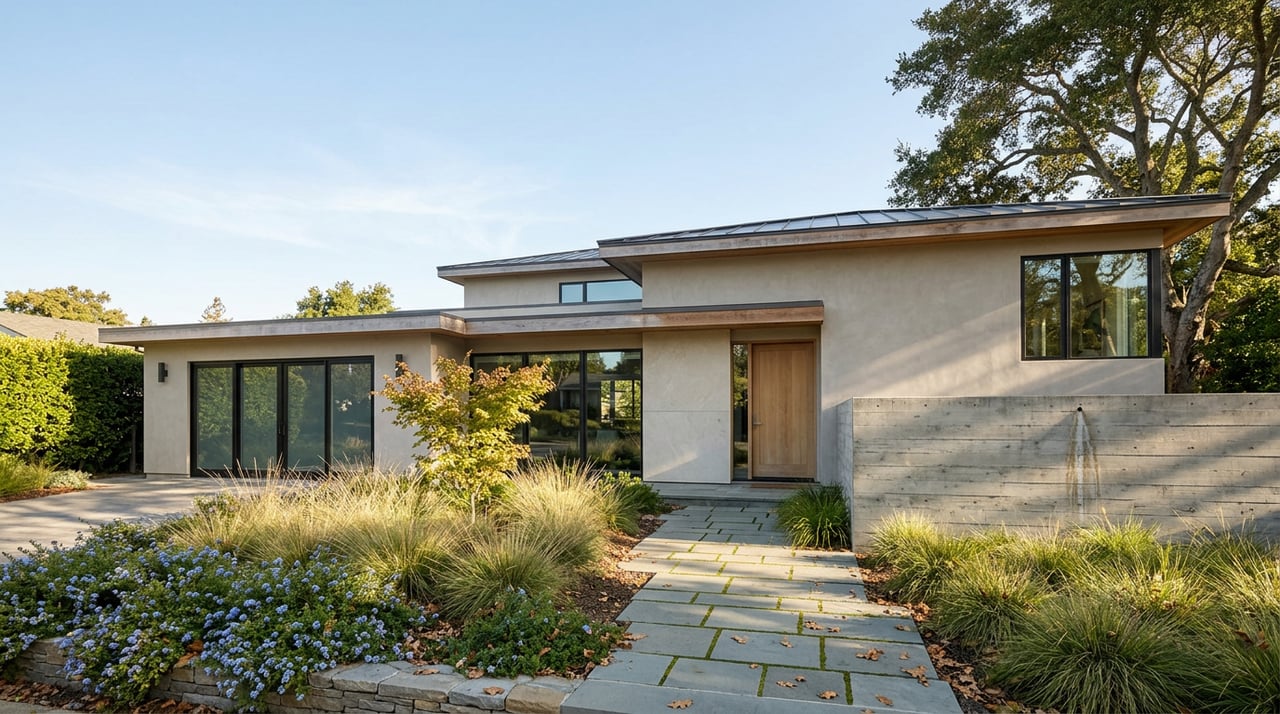
Classic ranch homes remain one of the defining housing types in Novato. Ranch houses are generally known for single-level living, low rooflines, and a simple rectangular layout. In day-to-day life, that often translates to an easy floor plan and a stronger connection between indoor and outdoor space.
In Novato, many single-family neighborhoods fall within the city’s R1 district, which makes up most of the city’s single-family areas. On the valley floor, these neighborhoods commonly sit on minimum lots of 7,500 square feet, while rural and hillside districts can require much larger lots. For buyers, that often means more yard space and more flexibility than you may find in newer attached housing.
The biggest draw is often single-level living. Many buyers value a layout with fewer stairs, simpler circulation, and easy access to outdoor areas. That can make a ranch home feel practical as well as comfortable.
Lot utility is another major advantage. A classic ranch may give you more room for gardening, outdoor entertaining, storage, or future improvements. Depending on zoning and site conditions, there may also be potential for an ADU or JADU, which adds flexibility over time.
Updated ranch homes can also be very competitive because they blend established neighborhood settings with improved interiors and systems. In a market where condition matters, a well-prepared ranch can check a lot of boxes.
Older homes often come with more maintenance questions. The U.S. Department of Energy notes that many older homes have less insulation than homes built today and may need insulation checks, air sealing, and window or HVAC improvements. Those are not automatic problems, but they are worth evaluating carefully.
You may also need to budget for more near-term capital work. Roof age, sewer lateral condition, windows, electrical updates, and heating or cooling systems can all affect your true ownership costs. A ranch may offer great bones and a great lot, but the numbers need to reflect the work it may need.
One of the clearest differences between newer construction and classic ranch homes is what you are likely to spend in the first few years after closing. Newer homes generally offer more modern energy performance from day one because they are built to current standards. That can mean fewer immediate projects and more predictability.
Older ranch homes can still be excellent long-term properties, but they often reward buyers who are comfortable planning improvements over time. If you buy a ranch, it helps to think beyond cosmetic updates and pay attention to insulation, air sealing, windows, and major systems. Those details affect both comfort and monthly costs.
The key point is that lower maintenance at the house level does not always mean lower total ownership cost. A newer home may save you on repairs while adding CFD or similar community-level expenses. A ranch may avoid some of those district costs but require more direct investment in the home itself.
The right choice usually depends less on age and more on how you want to live. In Novato, newer homes and classic ranch homes often serve different priorities. When you focus on your lifestyle first, the decision gets clearer.
As of March 2026, Novato is described as a seller’s market, and Marin County’s median sale price is around $1.5 million. In that kind of environment, buyers often need to move quickly and compare homes with discipline. It is easy to focus on age alone, but that rarely tells the full story.
In practice, the strongest comparison is usually the balance of layout, lot utility, condition, and carrying costs. A newer home may win on convenience and lower repair risk. An updated ranch may win on land, livability, and long-term flexibility.
That is why the best-performing home is often the one with the strongest condition-to-price ratio, not simply the newest one. If you compare homes through that lens, you are more likely to make a smart decision for both your lifestyle and your budget.
When you are deciding between newer construction and a classic ranch in Novato, keep your evaluation simple and practical. Focus on the factors that will affect your life and finances most over the next several years.
Use this checklist as you compare options:
A clear side-by-side review often makes the answer obvious. The home that feels like the better value is usually the one that supports your daily routine without stretching your budget on avoidable surprises.
If you are weighing newer construction against a classic ranch in Novato or nearby San Rafael, a local perspective can make the tradeoffs much easier to see. Christina & Karla help buyers and sellers look beyond surface appeal, compare real ownership costs, and make confident decisions in Marin’s fast-moving market.
Stay up to date on the latest real estate trends.

Fall is here and October is full of celebrations and events to welcome the season. From San Francisco to Sonoma County, here’s what’s happening this month. San Franci… Read more

Christina & Karla | Home In Marin along with Compass Greenbrae are happy to sponsor the Marin Mahjong community by providing the Drakes Landing Community Room for Sund… Read more
Christina and Karla have represented a broad range of properties and clientele which has given them a vast amount of industry knowledge and expertise, in turn providing tremendous results for those they represent. They are well-acquainted with the marketplace and easily able to gain knowledgeable insight on inventory for their buyers.