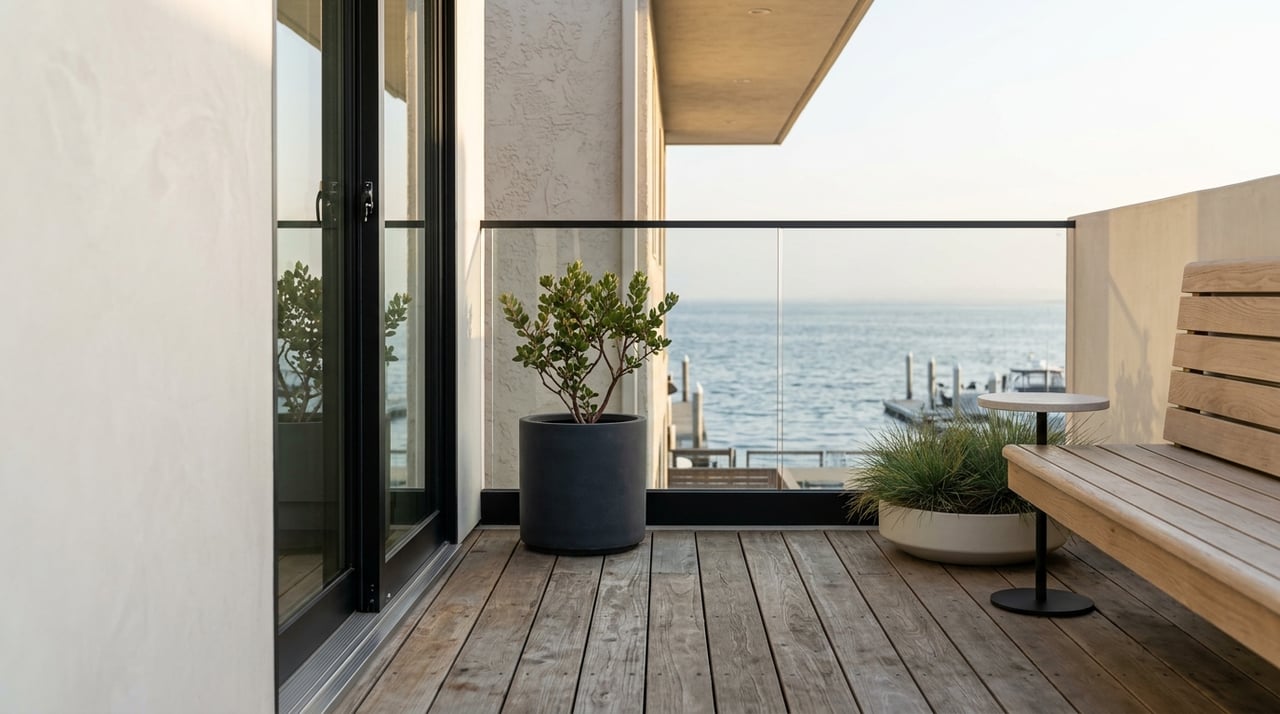
Sausalito Condos vs Floating Homes for Waterfront Living
June 25, 2026
June 25, 2026
If you love the Sausalito waterfront, you may find yourself choosing between two very different ways to live near the Bay. A condo can offer a more familiar ownership model with shared amenities and building systems, while a floating home brings you directly onto the water with a lifestyle that feels uniquely tied to docks, tides, and shoreline infrastructure. If you are weighing both, this guide will help you understand the basics, the tradeoffs, and the questions to ask before you move forward. Let’s dive in.
In California, a condominium is a common-interest property. That means you own your individual unit, while also sharing ownership and responsibility for the land, building, and common areas through a homeowners association, or HOA.
For many buyers in Sausalito and nearby Marin communities, that structure feels more straightforward. It is closer to a traditional residential purchase, even though you still need to understand the HOA’s rules, budget, and insurance.
A floating home is not the same thing as a condo, and it is not simply a boat used as housing. Marin County defines a floating home as a permanent home on the water with no motor, shore-based utilities, and a permanent sewage connection.
Marin County also treats floating homes as real property for assessment purposes. In the Sausalito waterfront area, that matters because some floating-home communities are located just north of the city limit in unincorporated Marin County, which can bring county rules into the picture.
If you choose a condo, you are usually choosing a more conventional day-to-day experience. You may still enjoy water views, walkability, and access to the Sausalito waterfront atmosphere, but your living arrangement is generally closer to attached residential housing than a specialty waterfront property.
That can appeal to buyers who want a lower-complexity ownership model. You still need to review the HOA carefully, but the overall structure tends to feel more familiar.
A floating home offers something very different. You are not just near the water. You are living on it, with daily life connected more directly to docks, tides, utilities, and shoreline conditions.
Sausalito’s shoreline planning also recognizes that the waterfront is part of a broader sea-level-rise conversation. The city notes that sea-level rise can affect housing, transportation, utilities, and shoreline recreation, and it includes floating homes within that wider adaptation context.
The biggest difference is often about how you want to live. A condo can give you a standard home-with-views experience, while a floating home gives you a true on-the-water setting that feels more distinctive and more place-specific.
Neither choice is automatically better. It depends on whether you value familiarity and predictability more, or whether the appeal of waterfront living outweighs the added complexity that can come with it.
With a condo, the HOA plays a major role in how the property operates. The association typically manages common areas and shared systems, which is why buyers should pay close attention to budgets, reserves, insurance, and overall project health.
Those details affect more than your monthly experience. They can also shape financing options, future costs, and how smoothly a transaction moves.
Floating homes often involve a more site-specific set of rules. In unincorporated Marin, permits are required to move, locate, relocate, transport, or dock a floating home.
Marin County also uses a Floating Home Exception process when a project goes beyond standards for height, length, width, setbacks, or floor area. In practical terms, that means additions or major changes may require more review than buyers expect.
One reason some buyers lean toward condos is that exterior upkeep and common-area maintenance are often handled by the HOA. That can simplify ownership, especially if you prefer a home where many building-level responsibilities are shared.
That said, shared maintenance is only as strong as the HOA’s planning. A well-run association with solid reserves and insurance can make a big difference over time.
Floating homes come with a different type of maintenance mindset. Because they are tied so closely to docks, utilities, and waterfront infrastructure, buyers should expect a more specialized due diligence process.
You will want to understand not only the home itself, but also any marina rules, permit history, and how the property fits within local physical and regulatory conditions. That extra homework is often part of the tradeoff for a one-of-a-kind living experience.
Condos generally fit more standard mortgage underwriting than floating homes, but that does not mean financing is automatic. Lenders still need to confirm that a condo project meets eligibility requirements.
That project-level review is important because the lender is evaluating more than your finances alone. The condition and structure of the condo project itself can affect whether a loan moves forward.
Floating home financing is often more specialized. Marin County treats floating homes as real property for tax purposes, but financing can still depend on how the property is classified and how a lender views the ownership and project structure.
That is why buyers should work with a lender who understands floating homes, marina arrangements, and the specific documents involved. The question is not only whether you qualify, but also exactly what is being conveyed and how the lender will underwrite it.
Before you get too far into either path, ask for the key documents early. That can save time, reduce surprises, and help you compare options more clearly.
For a condo, focus on the HOA and project details. For a floating home, go deeper into marina documents, permit history, and any exception or relocation issues tied to the property.
A condo may be the better fit if you want a more conventional ownership structure and a more predictable framework for maintenance and governance. It can also be a strong option if you want broader mortgage compatibility and a process that feels more familiar.
For buyers relocating to Marin or balancing a busy schedule, that simplicity can be a real advantage. You may still get the waterfront feel you want, but with fewer specialty issues to sort through.
A floating home may be the better fit if the direct-on-the-water lifestyle is the main draw for you. If living with tides, dock access, and a unique shoreline setting feels exciting rather than burdensome, this option may be worth the added complexity.
That said, floating homes are not impulse purchases. They usually reward buyers who are comfortable asking detailed questions and who are prepared for a more specialized process.
In Sausalito, this decision is especially local. The mix of city shoreline planning, sea-level-rise considerations, and county oversight in some waterfront areas means buyers benefit from a clear understanding of the exact location and ownership setup before making an offer.
That is where local experience can help. When you understand the property type, the documents, and the regulatory context from the start, you can make a more confident choice and avoid unnecessary surprises.
If you are comparing Sausalito condos and floating homes, Christina & Karla can help you evaluate the lifestyle fit, due diligence questions, and local market context so you can move forward with clarity.
Stay up to date on the latest real estate trends.

Fall is here and October is full of celebrations and events to welcome the season. From San Francisco to Sonoma County, here’s what’s happening this month. San Franci… Read more

Christina & Karla | Home In Marin along with Compass Greenbrae are happy to sponsor the Marin Mahjong community by providing the Drakes Landing Community Room for Sund… Read more
Christina and Karla have represented a broad range of properties and clientele which has given them a vast amount of industry knowledge and expertise, in turn providing tremendous results for those they represent. They are well-acquainted with the marketplace and easily able to gain knowledgeable insight on inventory for their buyers.