San Anselmo Home Styles And Lot Types Explained
March 12, 2026
March 12, 2026
If you’ve been scrolling listings in San Anselmo and keep seeing words like bungalow, shingle, hillside, or creekside, you might wonder what they really mean for your lifestyle, budget, and plans. You want a home that fits how you live today and can grow with you, without surprise costs or red tape. In this guide, you’ll learn how San Anselmo’s most common home styles and lot types work in practice, including what to watch for with flooding, wildfire, and permits. Let’s dive in.
San Anselmo grew up as a valley and railroad town, with many early 1900s homes near downtown and the former seminary area. That history explains today’s clusters of Craftsman bungalows, shingle-style houses, and a few Victorian-era gems around Barber Tract and Winship Park. You can explore this architectural legacy in the San Anselmo Historical Museum’s notes on the Barber Tract neighborhood for helpful context on why these styles appear where they do. Local history confirms the early 20th-century pattern.
Downtown sits along San Anselmo Creek within the broader Ross Valley watershed. This area has a documented flood history and ongoing mitigation work through county and federal partners. FEMA’s case study on San Anselmo flood history and mitigation offers useful background, and the Town’s flood information page outlines local programs and insurance guidance. If you are considering a creek-adjacent property, plan to check current FEMA maps, ask for any elevation certificates, and review seller disclosures for past claims.
San Anselmo protects ridgelines and manages hillside development through its General Plan. Steeper or highly visible sites often trigger extra reviews, grading permits, and geotechnical studies. Before planning a major addition or a new deck with a view, scan the Town of San Anselmo General Plan for ridge and hillside standards so you understand likely constraints.
The Ross Valley Sanitary District serves San Anselmo and enforces private sewer lateral responsibilities. A Certificate of Compliance can be required at sale or for certain permits, and there are loan or grant programs to help with lateral repairs or conversions. Get familiar with RVSD’s overview of services and policies early in your process and request any existing compliance records from the seller.
Wooded and higher-elevation areas face elevated wildfire exposure, with local inspections and defensible-space rules in place. Budget for routine vegetation management and potential home-hardening work if your lot is on or near the wildland-urban interface. The Marin Wildfire Prevention Authority publishes guidance and programs to help owners stay compliant and safe.
These single-story or 1.5-story homes are common near downtown and older flat neighborhoods. Look for tapered porch columns, exposed rafters, and shingle or clapboard siding. Many have raised foundations and cozy footprints that adapt well to tasteful remodels. For older paint or finishes, use lead-safe practices per the EPA’s Renovation, Repair and Painting (RRP) guidance, and ask inspectors about seismic bolting or cripple-wall bracing.
You’ll find these in pockets near the seminary and Winship Park, often with turrets, bay windows, or decorative trim. They can be architecturally distinctive and sometimes appear on local surveys. Because San Anselmo values preservation, expect more review if you plan major exterior changes. Consult the Town’s General Plan for historic-resource language and be ready to verify whether the property is inventoried.
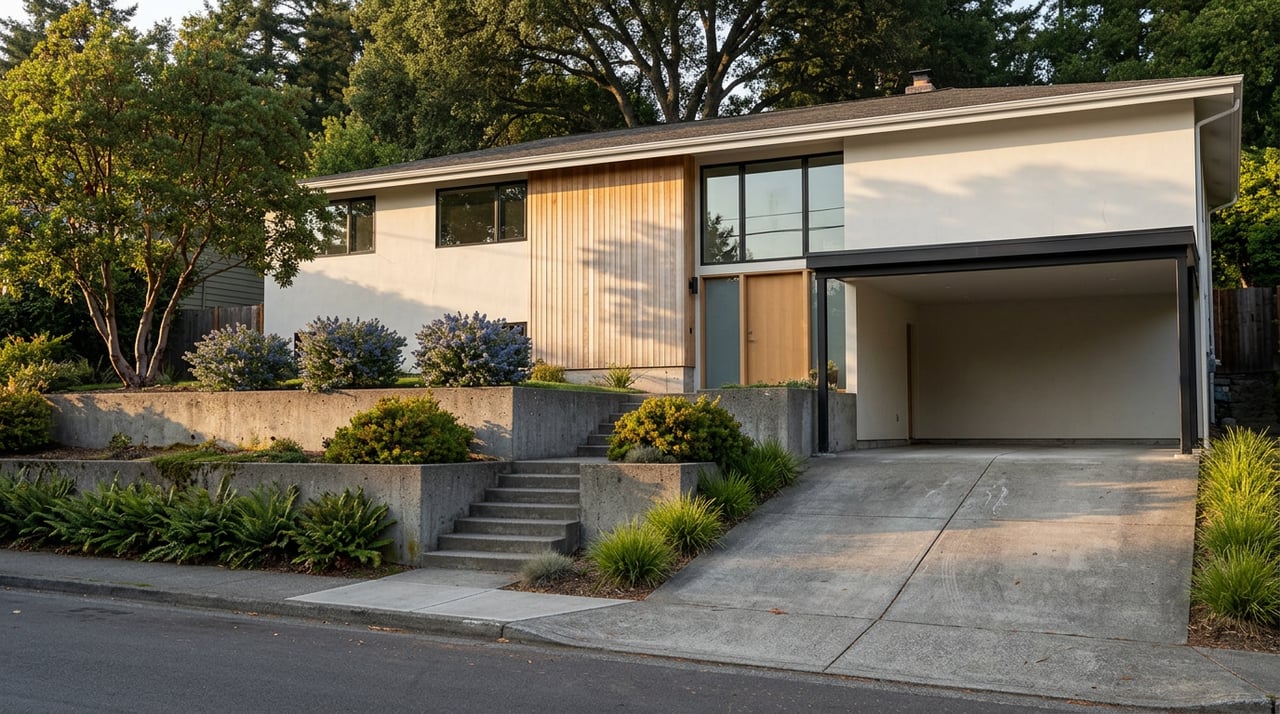
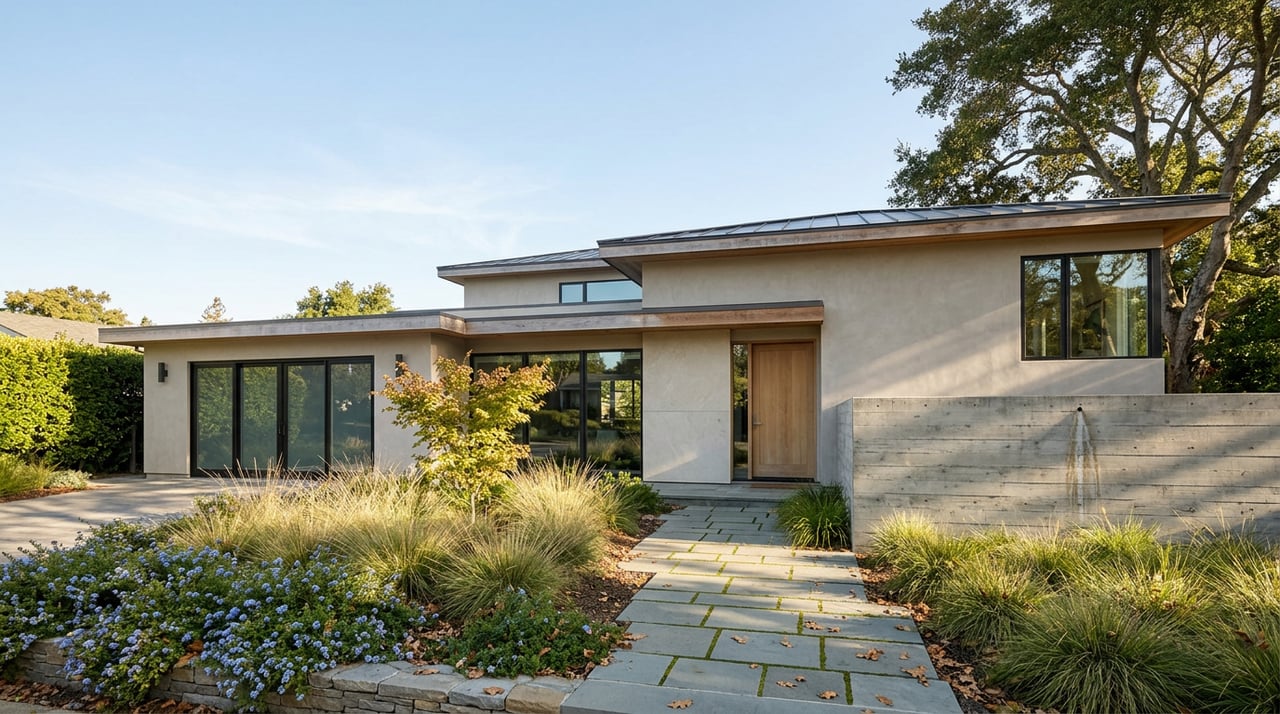
Scattered throughout valley areas and some slopes, mid-century homes favor open plans, broader windows, and single-level living. Many are prime candidates for kitchen and bath updates or an ADU if the site allows. Be prepared to evaluate aging systems and any older finishes that may need careful handling for safety.
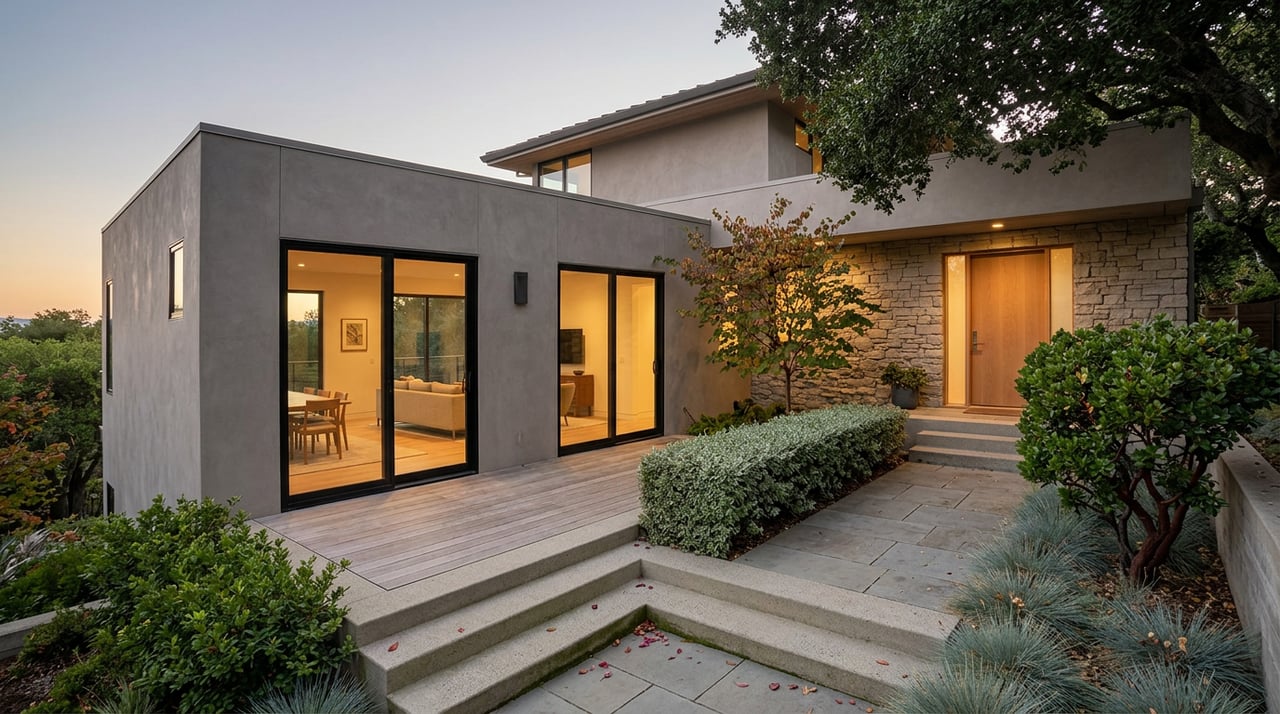
You’ll see multi-level floor plans that step with the slope, long driveways, and terraced landscaping. These properties trade extra engineering and drainage care for privacy and views. Additions or big façade changes often require geotechnical work and can face limits tied to ridgeline protections.
Close to San Anselmo Avenue, lots are small with short setbacks and strong walkability. Expansion can be limited by footprint, parking, and design review. Flood awareness is important here, so pay attention to lowest-floor elevations and past water events.
Small downtown bungalow on a flat lot: This can be one of the easiest homes to update structurally. Kitchen and bath remodels are usually straightforward, and an ADU may be feasible if zoning and site conditions work. Check flood maps and, if the home is a preservation candidate, be ready for design review.
Mid-century ranch on a larger flat lot: Single-level living and broader footprints can make these strong ADU candidates. Expect to review electrical capacity and any older finishes that may need safe-handling protocols.
Hillside contemporary with a view: You’ll enjoy privacy and scenery, but expect higher up-front and ongoing site-engineering costs. Drainage, retaining-wall upkeep, and longer permitting timelines are common with hillside work.
Architecturally notable property in Barber Tract or Winship Park: High character often brings added market appeal. Preserve defining features when you remodel and verify whether the home appears on any local historic inventory before planning larger changes.
Wooded lot at the edge of town: You get natural surroundings and seclusion, with a stronger focus on defensible space. Budget for seasonal vegetation management and plan access for any future building work.
Older systems in pre-1978 homes: Allocate funds for electrical upgrades and lead-safe renovation practices. If you have a raised foundation, ask about standard seismic work like A3 or brace-and-bolt retrofits; the Earthquake Brace and Bolt program periodically offers grants.
Every San Anselmo home tells a story through its style and its lot. When you understand how history, terrain, and local rules work together, you can buy with confidence and plan smart improvements. If you want a second set of eyes on a property’s flood, hillside, sewer, or wildfire considerations, reach out to a team that navigates these details every week. For hands-on guidance, curated vendor referrals, and Compass Concierge support when you’re ready to sell or improve, connect with Christina & Karla.
Stay up to date on the latest real estate trends.

Fall is here and October is full of celebrations and events to welcome the season. From San Francisco to Sonoma County, here’s what’s happening this month. San Franci… Read more

Christina & Karla | Home In Marin along with Compass Greenbrae are happy to sponsor the Marin Mahjong community by providing the Drakes Landing Community Room for Sund… Read more
Christina and Karla have represented a broad range of properties and clientele which has given them a vast amount of industry knowledge and expertise, in turn providing tremendous results for those they represent. They are well-acquainted with the marketplace and easily able to gain knowledgeable insight on inventory for their buyers.